How Often Should You Schedule Roof Cleaning in Coastal Florida?
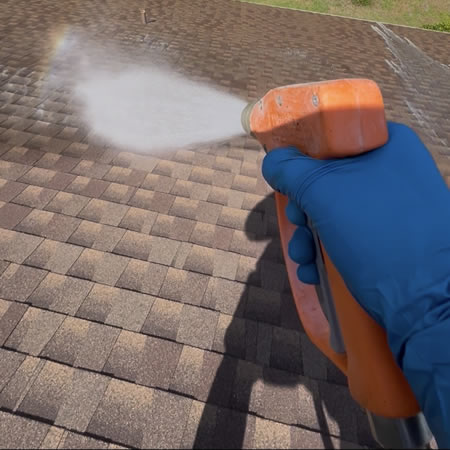
Sun, salt air, and year-round humidity make roofs in St. Augustine work harder than most. If you have noticed black streaks on roof surfaces or a hazy film near the eaves, you are seeing the local climate at work. Many homeowners ask how often to plan roof care here. The short answer is more often than inland areas, and the safest method is a professional soft wash roof cleaning from Wash This Way.
In this guide, we explain the ideal schedule for different roof materials, what speeds up organic growth, the best seasons to book service, and how a skilled pressure washing team protects your roof without using harsh force. You will also find tips tailored to neighborhoods like Anastasia Island, Vilano Beach, Lincolnville, Palencia, and St. Augustine Beach.
Why Roofs Get Dirty Faster On The Coast
Coastal winds bring fine salt crystals that stick to shingles, tile, and metal. That salt holds moisture, which feeds algae and mildew. Add oak pollen, shade, and warm summers, and you have perfect conditions for dark staining that starts on the north-facing slopes and areas under trees.
Those black streaks are often a type of algae that thrives on the limestone filler in many asphalt shingles. Left alone, algae and mildew can trap moisture and shorten a roof’s useful life. Regular cleanings interrupt that cycle before stains spread.
How Often Should You Schedule Roof Cleaning In St. Augustine, FL
Every home is different, but most coastal roofs here benefit from a gentle cleaning every 12 to 18 months. Some homes need it sooner. Shaded lots in Lincolnville or heavily treed streets in Palencia might see growth return within 6 to 12 months. Beachside homes exposed to steady ocean breeze on Vilano Beach or Anastasia Island often show salt film and algae faster as well.
- Asphalt shingles: plan every 12 to 18 months if beachside, 18 to 24 months inland with full sun.
- Clay or concrete tile: about every 12 to 24 months depending on shade, tree cover, and proximity to the Intracoastal or ocean.
- Painted metal: 18 to 24 months; watch for film and early oxidation where salt collects.
These ranges are typical patterns in Coastal Florida. Your exact timing varies by roof age, pitch, trees, and storm exposure.
Signs You Shouldn’t Wait For Your Next Cleaning
Don’t schedule by the calendar alone. Book sooner if you notice:
- Black streaks spreading from the ridge toward gutters
- Green or dark patches in shaded valleys
- Rusty lines or chalky residue on painted metal panels
- Grit in downspouts after heavy rain
- Salt haze that returns days after rain on ocean-facing slopes
When you see these signs, a timely wash prevents deeper staining and keeps curb appeal high for historic-block homes and newer builds alike. **Black streaks on roof surfaces are more than cosmetic** and deserve prompt attention.
Coastal insight: After a tropical storm or strong nor’easter, salt and debris can cake onto shingles and tile. A quick post-storm roof inspection and cleaning can prevent long-term staining and moisture problems.
Soft Wash Roof Cleaning vs. High Pressure
There are two very different approaches to cleaning a roof. High-pressure washing can blow off granules, disturb tile, and force water under flashing. That is why reputable pros use a controlled soft wash method that applies the right solution at low pressure to loosen algae, mildew, and salt film, then rinse gently.
Many major shingle and tile manufacturers point homeowners toward low-pressure cleaning performed by trained technicians. **Soft washing protects shingle granules and tile surfaces** while still removing organic growth and buildup. It also reaches shaded nooks around dormers, skylights, and valleys without risking damage.
What Affects Your Cleaning Frequency
If you are trying to decide whether to book each year or stretch longer, consider these local factors:
Proximity to the ocean or Intracoastal. Homes in St. Augustine Beach, Vilano Beach, and Anastasia Island get more salt spray, so they usually need more frequent service.
Tree cover and shade. Live oaks are beautiful but create damp, slow-drying zones. Algae loves that. Homes in older neighborhoods like Lincolnville often see faster regrowth.
Roof pitch and drainage. Low-slope areas and valleys dry slowly and collect debris, inviting early staining.
Ventilation and attic heat. Hot, trapped air can worsen condensation on the underside of roofing, which shows up as stubborn stains on the exterior over time.
Age and material. Older shingles with worn granules hold growth more easily. Tile and metal resist better but still need care to remove film and mildew.
Seasonal Timing For Coastal Results
In St. Augustine, spring and late fall are popular times to clean. Spring removes pollen, oak tassels, and winter algae so your home looks sharp through summer. Late fall clears hurricane-season salt buildup and prepares the roof for cooler, drier months.
Booking in summer can be smart too, especially for beachside homes that show film quickly after afternoon sea breezes. Early morning appointments help solutions dwell properly and protect landscaping when temperatures rise.
Whenever you schedule, pairing roof service with light maintenance elsewhere on the exterior helps everything stay cleaner longer. For more practical ideas, browse our pressure washing articles and see how a roof wash fits into a simple annual plan.
What To Expect From A Professional Visit
On cleaning day, a trained crew will protect landscaping, set safe ladder footing, and isolate downspouts if needed. The soft wash solution is applied at low pressure so it can dwell and break down algae, mildew, and salt. After a controlled rinse, stains fade within minutes, and lighter shadowing clears as the roof dries.
Technicians also keep an eye on delicate areas like flashing, vents, and skylights. If they spot missing granules, lifted tile, or clogged gutters, they will note it so you can plan simple repairs. **Avoid any contractor who suggests blasting shingles with high-pressure water**, since that risks damage you cannot see from the ground.
How Soft Washing Helps Your Whole Home
Clean roofing sheds water better, which helps keep fascia, soffits, and siding cleaner. When the roof is free of residue, less runoff carries grime onto driveways, walkways, and patios. Many homeowners in Palencia and World Golf Village pair a yearly roof wash with a broader service visit, which can include exterior surfaces listed on our residential pressure washing page.
If you are comparing methods, remember that algae removal also reduces dark heat-absorbing patches. That small change helps roofs reflect sunlight more evenly through our long Florida summers.
How To Choose The Right Roof Cleaning Partner
Look for a company that specializes in soft wash roof cleaning, uses low-pressure application, and is trained to work around tile and shingles safely. Ask about plant and property protection, and whether they rinse fixtures and windows after the wash.
Local experience matters too. A team that works from Crescent Beach to downtown St. George Street knows how wind, shade, and salt vary across microclimates. That insight leads to better scheduling and a gentler clean.
You can trust Wash This Way to recommend timing that fits your home’s roof type, exposure, and neighborhood. We make it easy to stay on top of care with friendly reminders so you are not guessing when algae might return.
A Simple Coastal Schedule That Works
Use this easy rule of thumb as a starting point and refine from there with help from your technician:
- Beachside or Intracoastal within 1 mile: plan annual service
- Tree-covered or shaded lots: 6 to 12 months based on regrowth
- Sunny inland lots with good airflow: 18 to 24 months
If growth comes back early in one spot, consider every-other-year touchups on that slope only. Targeted care can keep the full roof on a longer cycle without letting stains spread.
Why Timing Matters For Home Value
In a market where curb appeal influences offers, a clean roof pays off. Buyers scan for red flags like streaks, mossy valleys, and clogged gutters. A fresh soft wash sends the opposite signal: the home is well kept and dry where it counts. It also shows up beautifully in listing photos across St. Augustine and St. Johns County communities.
When you keep consistent with your plan, you prevent the need for aggressive corrections later. Gentle, regular service is the safest and most cost-effective way to care for shingles, tile, and metal in a salty climate.
Plan Your Next Roof Cleaning The Smart Way
If it has been more than a year since your last visit, or you see early streaks, it is time to book. Start by exploring the details of our approach to roof cleaning. You can also connect that service to a wider maintenance visit so your siding, walks, and drive look their best through summer rain and holiday season gatherings.
For homeowners researching options, a helpful way to compare is to read about roof cleaning in St. Augustine, FL and learn how a trusted local team cares for properties across our coastal neighborhoods. You will see where soft washing excels and why it is the preferred method for algae roof cleaning in Florida climates.
Ready To Protect Your Roof?
Let Wash This Way set a schedule that fits your home and the way St. Augustine weather actually behaves on your block. Call us at 904-417-5352 and we will get you on the calendar. To see everything included with our gentle process, read more about our dedicated roof cleaning service and keep your home looking great all year.
Choose The Right Way! Contact Wash This Way For Your Next Pressure Washing Project In St. Augustine